
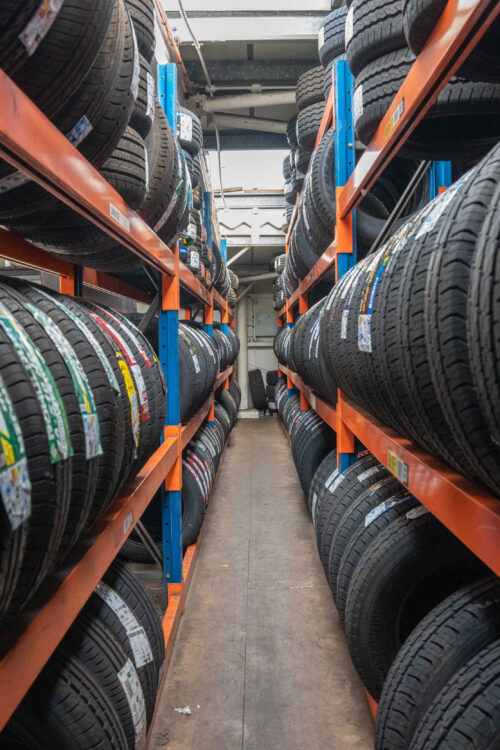
Should I Replace All Four Tyres or Just Two?
We can all agree that tyres are one of the most important parts of any car, helping to ensure comfort, stability and safety on every drive.
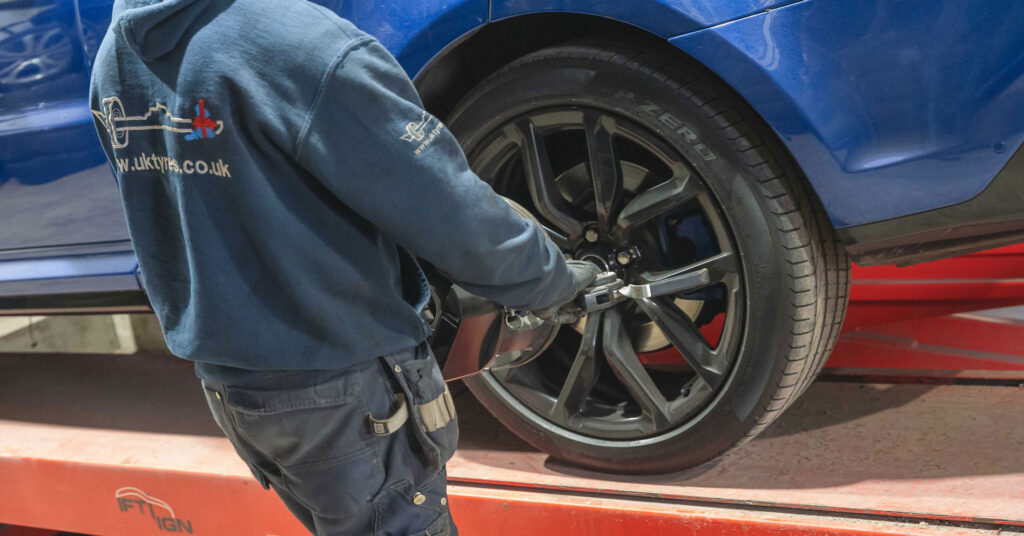
The only trouble with them is that they can go at any time, especially with the proliferation of potholes being such a problem on our roads these days. Naturally, if you’ve only got the one flat or damaged tyre, the temptation is just to get that one replaced and be on your way.
Except you might have heard that you should never do that, and that instead you should replace at least two – or even all four – tyres, even if you only have one that is flat or otherwise damaged.
So what’s the truth? Don’t worry, because the UK Tyres team is here to tell you all you need to know.
Can I Change Just One Tyre?
We would always recommend that you don’t just change one tyre, but that you change the other tyre on the same axle at the same time. Having said that, we do understand that not everyone can necessarily afford to buy two new tyres when only one actually needs replacing – especially if the damage is the result of hitting a pothole, which is frustrating enough already.
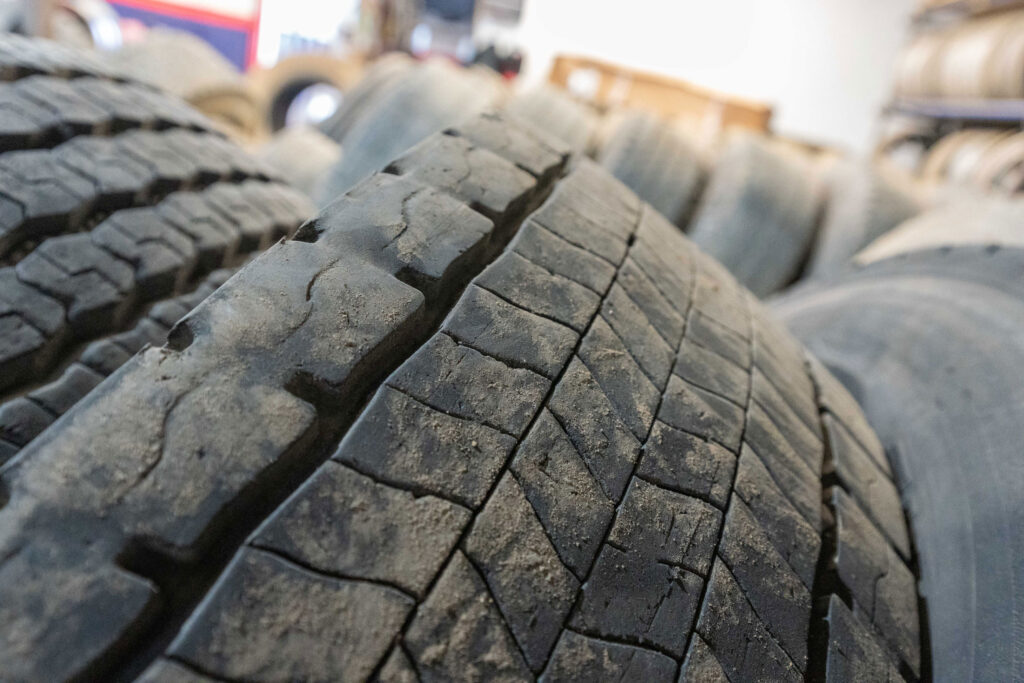
So why do we recommend changing two tyres at a time? Well, changing only the one tyre can impact the balance of your car, which might lead to the steering being affected – especially on corners – braking issues and even increased fuel consumption.
Changing both front or both rear tyres together means you can make sure you have the same type of tyre on each wheel, with the same tread depth and pattern.
If you are replacing just the one tyre, you should ideally pair your new tyre with the existing one that has the deepest remaining tread to ensure you’re getting the best possible balance and grip.
Is It Ever Necessary to Change Four Tyres at the Same Time?
With most cars, the only times you might need to change all four tyres at the same time would be if you either:
- Have at least one damaged front tyre and at least one damaged rear tyre, or
- One tyre needs replacing there and then and one on the other axle is so close to being in need of replacement that it makes sense to get them all done at the same time
Having said that, some manufacturers do recommend changing all four tyres at the same time. This will usually be for performance cars with sophisticated drive systems that might be compromised by even a small imbalance. The best thing to do is to check your handbook or talk to one of our trained experts for informed advice.
Is It Better to Put Two New Tyres on the Front or Back?
According to Michelin, when replacing two tyres, you should put your new tyres on the rear axle rather than at the front. They also say, however, that some driving aspects will be improved if you put them at the front.
Basically, new tyres at the rear improve handling, grip in the wet, and the ability to clear water – this helps avoid both oversteer on bends and a lack of stability when on wet surfaces. Putting them at the front, on the other hand, can improve straight line braking and stopping distance in wet conditions.
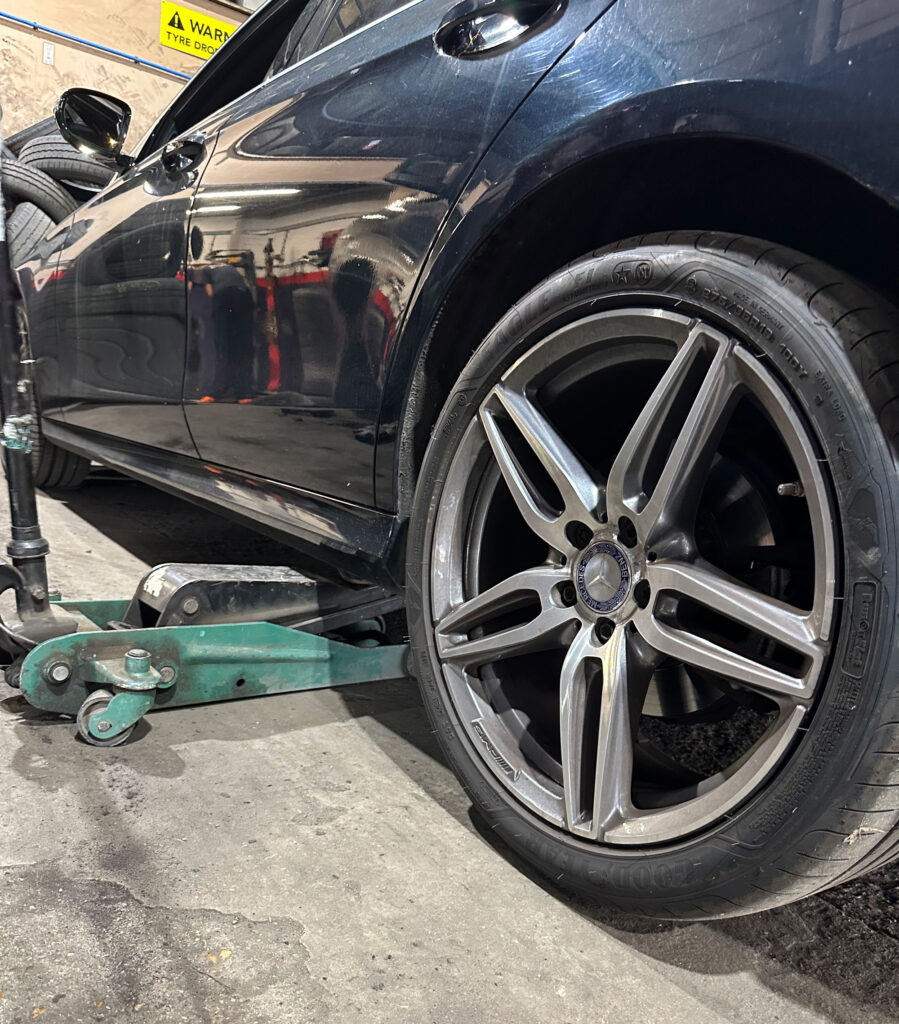
On balance, though, the advice to put two new tyres at the back rather than the front holds, and this applies to all vehicles, irrespective of whether they are front or rear-wheel drive.
However many tyres need replacing on your vehicle, you’ll get the best value, the most choice and the most reliable advice when you take it to UK Tyres. Whether you want to bring your vehicle to either our North London or West London tyre fitting centre, or you’d prefer to take advantage of our convenient mobile tyre fitting service, you can trust our trained experts to do a professional job and leave your car in as safe a condition as we can.
Get in touch with our tyre experts now to find out more or to book your tyre fitting appointment.
